$3,000.00 off any sunroom, screened room, 4-season room, or addition.
Free Ring Motion Detector w/Camera with every deck, sunroom, screened room, 4 season room, or addition.
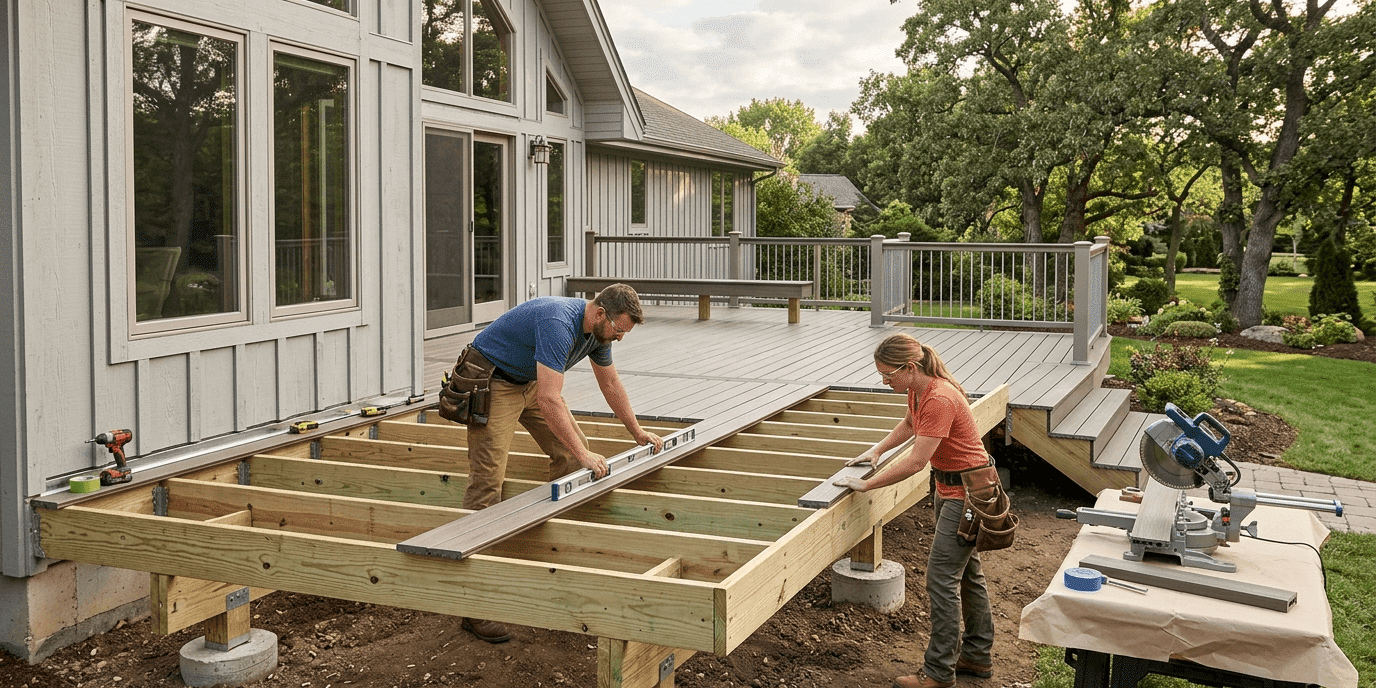
Building a deck is one of the best ways to improve your outdoor living space. A well-designed deck adds beauty, function, and value to your home while creating the perfect place to relax, entertain, and enjoy the outdoors. But when a deck is poorly planned or improperly built, it can quickly become a source of frustration, costly repairs, and even safety concerns.
Many homeowners get excited about the final result and overlook the details that make a deck durable, safe, and visually appealing. Whether you are planning a brand-new build or upgrading an existing structure, understanding the most common mistakes can help you make smarter decisions from the start.
Here are the most common deck building mistakes to avoid so your project turns out beautiful, long-lasting, and worth the investment.
One of the biggest mistakes in deck construction happens before the first board is even installed. Some homeowners rush into the project without taking enough time to plan the layout, materials, features, and long-term use of the space.
A deck should not be treated as just a platform attached to the back of the house. It should be designed around how you actually plan to use it. Will it be for outdoor dining, entertaining, grilling, relaxing, or all of the above? Do you want room for built-in seating, lighting, a pergola, or a hot tub in the future?
Without a clear plan, you may end up with a deck that feels too small, awkwardly shaped, or poorly connected to your backyard.
Avoid this mistake by:
Not all deck materials perform the same way. A common mistake is choosing materials based only on upfront cost instead of considering durability, maintenance, and long-term value.
Pressure-treated wood may be affordable, but it requires ongoing sealing and maintenance. Composite decking costs more upfront, but it often saves time and money over the years because it resists rot, splintering, and insect damage.
Railings, fasteners, posts, and framing materials matter too. Using low-quality hardware or materials not suited to Tennessee’s weather can shorten the life of the entire deck.
Avoid this mistake by:
Deck construction is not just a design project. It is also a structural project that must meet local building requirements. One of the most serious mistakes homeowners make is skipping permits or assuming the deck can be built without code compliance.
Building codes exist for a reason. They help ensure the deck is safe, stable, and properly supported. Requirements often include footing depth, railing height, stair dimensions, and structural attachment standards.
If you skip permits or build outside of code, you could face fines, failed inspections, problems when selling your home, or expensive reconstruction later.
Avoid this mistake by:
A deck is only as strong as the foundation beneath it. Weak or improperly placed footings can lead to sagging, shifting, cracking, or structural failure over time.
This is especially important in areas with changing soil conditions, heavy rain, or freeze-thaw cycles. If the footings are too shallow, not large enough, or not placed properly, the deck may move as the ground shifts.
Good foundation work is not the part of the project people admire, but it is one of the most important parts.
Avoid this mistake by:
Water is one of the biggest threats to any outdoor structure. A common deck building mistake is failing to think about how rainwater will move around and under the deck.
When water pools around footings or collects between deck boards, it can cause rot, mold, mildew, and long-term structural damage. Water runoff from the roof can also affect the area if gutters and drainage paths are not considered.
This problem is even more common when homeowners focus only on the visible surface and ignore what happens underneath.
Avoid this mistake by:
Another common mistake is underestimating how much usable space you need. A deck may look large enough on paper but feel cramped once furniture, grills, and people are added.
If you want room for a dining set, lounge chairs, planters, or a grill, those features should be included in the design from the beginning. A small deck can quickly become crowded and less enjoyable.
Homeowners often regret going too small far more than they regret adding a little extra space.
Avoid this mistake by:
Deck stairs and railings are sometimes treated as secondary details, but they are essential for both safety and appearance. Poorly designed stairs can be uncomfortable or hazardous, and unattractive railings can make the entire deck feel unfinished.
If the railing style clashes with the home or blocks a beautiful view, it can affect the overall design. If stairs are too steep, too narrow, or poorly placed, they create daily inconvenience.
Avoid this mistake by:
A deck is not a one-time project that can be ignored forever. Every deck requires some level of upkeep, and one mistake homeowners make is choosing a design that demands more maintenance than they are willing to handle.
Wood decks may need regular staining, sealing, and cleaning. Even composite decks need occasional washing and inspection. If maintenance is neglected, the deck’s appearance and performance will decline much faster.
Avoid this mistake by:
A deck may be beautifully built but still uncomfortable if it gets too much direct sun, not enough shade, or poor airflow. This mistake often becomes obvious only after the deck is finished.
If your deck is exposed to strong afternoon sun, it may be too hot to enjoy during the warmest months. If there is no shade plan, furniture may fade faster and guests may avoid the space.
Comfort should be part of the design process, not an afterthought.
Avoid this mistake by:
Perhaps the biggest mistake of all is hiring based on the lowest price instead of experience, communication, and craftsmanship. A cheap job can become very expensive if it leads to delays, poor workmanship, or structural problems.
A quality contractor helps you avoid many of the mistakes listed above by guiding the design, handling permits, choosing the right materials, and building the deck correctly from the beginning.
Avoid this mistake by:
A deck should be an asset to your home, not a source of stress. The good news is that most deck problems are preventable with thoughtful planning, quality materials, and skilled construction. By understanding the most common deck building mistakes to avoid, you can make better decisions and enjoy a finished space that looks great, performs well, and lasts for years.
Whether you are building a simple backyard deck or a larger custom outdoor living area, every detail matters. From the foundation to the railing style, smart choices at the beginning make all the difference in the final result.
At American Services of TN, we help homeowners create custom decks that are safe, durable, and designed to fit their lifestyle. From layout planning and material selection to expert construction, our team focuses on getting every detail right from day one.
Fill out the form below to schedule your consultation and let’s build your outdoor space the right way.