$3,000.00 off any sunroom, screened room, 4-season room, or addition.
Free Ring Motion Detector w/Camera with every deck, sunroom, screened room, 4 season room, or addition.
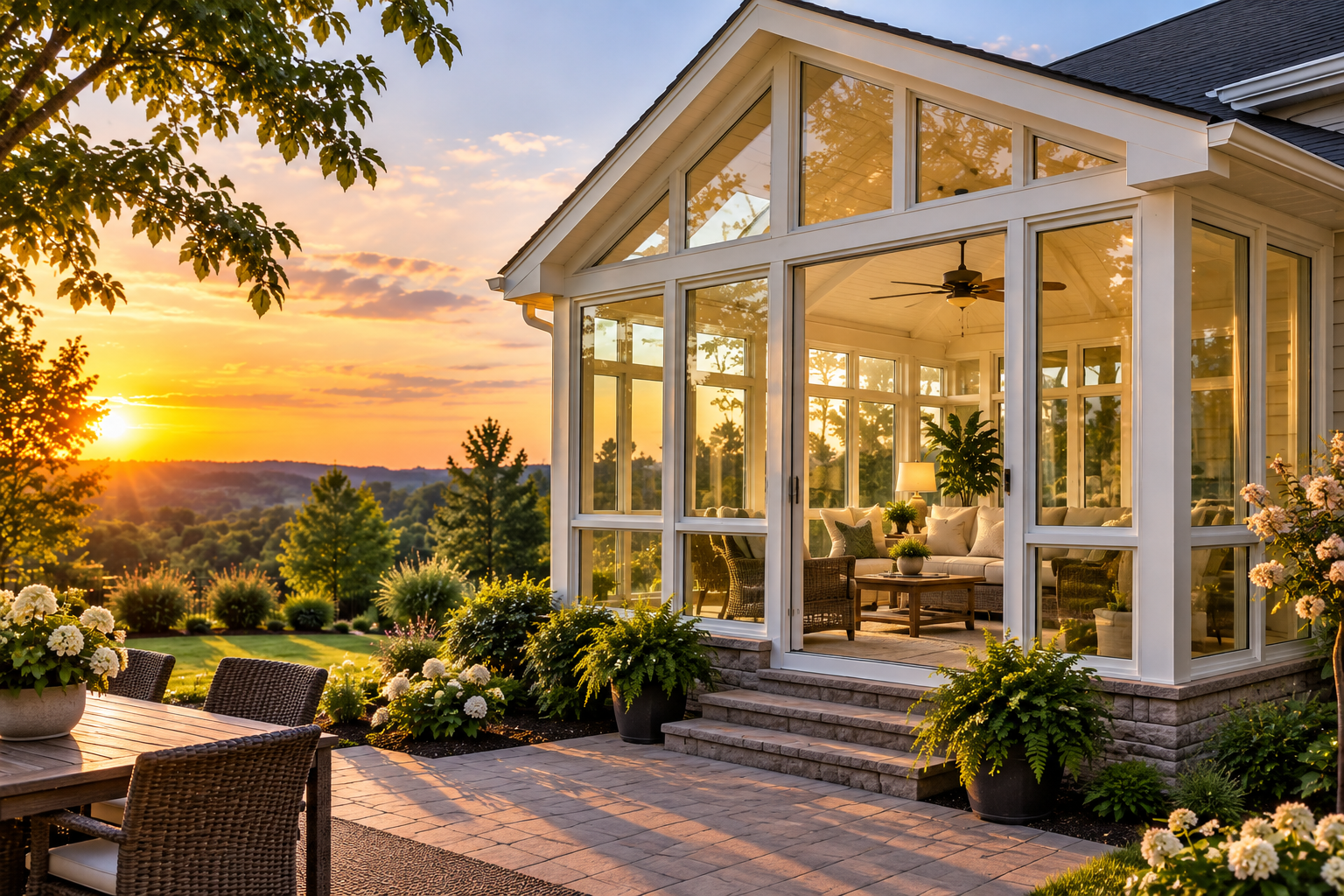
A sunroom can be one of the most enjoyable additions to a home. With large windows, abundant natural light, and views of the backyard, it creates a comfortable transition between indoor and outdoor living. But homeowners considering this type of project often have another important question: How much value can a sunroom add to your home?
The answer depends on much more than the size of the addition. The quality of construction, whether the room is designed for seasonal or year-round use, how well it matches the existing home, energy efficiency, location, and buyer preferences can all affect its potential value.
A well-planned sunroom may make a property more attractive while providing immediate lifestyle benefits for the current homeowner. However, homeowners should think about value as more than simply expecting to recover every dollar spent on construction.
Let’s look at what can influence the value of a sunroom and how you can make the most of your investment.
Before considering resale value, it’s important to recognize the everyday value a sunroom can provide.
A sunroom can create a flexible space for:
Unlike an uncovered patio or deck, a sunroom provides greater protection from rain, wind, insects, pollen, and other outdoor conditions.
For many homeowners, that means they can enjoy the feeling of being outdoors more frequently without being fully exposed to the weather.
A professionally designed and constructed sunroom has the potential to improve a home’s market appeal and overall value. However, there is no universal percentage or dollar amount that applies to every property.
The impact depends on several factors, including the local housing market, construction quality, room type, usable space, and how buyers perceive the addition.
A sunroom that feels like a natural extension of the house may be more appealing than an enclosure that looks disconnected from the original architecture.
The key is to design the space around both usability and quality.
One major factor is the type of sunroom you build.
A three-season room is generally intended for use during comfortable weather. It may provide protection from insects and rain while offering plenty of natural light and outdoor views.
However, it typically does not have the same insulation and climate control as the rest of the home.
A four-season room is designed to provide greater comfort throughout the year.
Depending on the project, it may include:
Because it can function more like an extension of the home’s living environment, a properly designed four-season sunroom may offer different value considerations than a simple seasonal enclosure.
Whether a particular room qualifies as finished or conditioned living area for appraisal, tax, or real-estate purposes depends on applicable standards and local requirements, so homeowners should not automatically assume that every sunroom increases the home’s official square footage.
If increasing long-term value is important, construction quality should be a priority.
Buyers may notice problems such as:
These issues can turn what should be an attractive feature into a concern.
Professional construction helps ensure that the room is not only visually appealing but also designed to perform properly over time.
One of the best ways to maximize the value of a sunroom is to make it look like it belongs with the original house.
Ideally, the addition should complement features such as the home’s:
When a sunroom looks obviously added on without much consideration for the original structure, it may not create the same impression.
A thoughtfully integrated addition can create a smoother transition between existing indoor spaces and the new room.
Large windows are one of the biggest attractions of a sunroom, but they also influence temperature and energy performance.
In Tennessee, summer heat and seasonal temperature changes should be considered carefully.
Depending on the type of sunroom, features that can improve comfort include:
A beautiful room that becomes unbearably hot during summer or too cold during winter may not deliver the usability homeowners expect.
Designing for comfort can therefore contribute significantly to the practical value of the space.
Where the sunroom is positioned on your home can also affect its usefulness.
A well-positioned room may provide attractive views of:
Sun exposure is another consideration.
For example, intense afternoon sunlight through large areas of glass can increase heat gain. Window selection, shades, roof overhangs, ventilation, and the orientation of the addition can all help manage this issue.
The goal should be to maximize natural light without creating an uncomfortable room.
When buyers tour a home, distinctive spaces can make a strong impression.
A bright sunroom overlooking an attractive backyard can become a memorable feature of the property.
Potential buyers may imagine themselves:
This emotional connection can contribute to the overall attractiveness of the home.
However, buyer preferences vary, which is another reason homeowners should avoid assuming a guaranteed return on investment.
Decks, patios, screened porches, and sunrooms all improve outdoor living in different ways.
A deck or patio provides a more traditional outdoor experience and can be excellent for grilling, entertaining, and enjoying pleasant weather.
A screened porch adds protection from insects while preserving fresh airflow.
A sunroom offers greater separation from weather and may provide more flexibility depending on how it is constructed.
Rather than choosing solely based on potential resale value, consider how your family will use the space.
An improvement that you enjoy for many years can provide substantial lifestyle value before resale ever becomes a consideration.
Homeowners sometimes consider enclosing an existing porch, patio, or deck rather than constructing an entirely new addition.
This may be possible, but the existing structure needs to be evaluated first.
A contractor may need to inspect the:
An existing structure that was designed for outdoor use may require substantial modifications before it can support a properly enclosed sunroom.
Making those improvements correctly is important for safety, durability, and long-term value.
Proper permitting can also matter when it comes time to sell your home.
Depending on the location and scope of the project, a sunroom addition may be subject to building permits, inspections, zoning restrictions, setback requirements, electrical codes, and other regulations.
If your neighborhood has a homeowners association, additional approval may also be required.
Requirements vary, so they should be confirmed for your specific property before construction begins.
Keeping documentation related to permits, warranties, materials, and construction may also be useful when you eventually sell the home.
If long-term home value is one of your goals, approach the project as a true extension of your home rather than simply an enclosure.
Focus on several important areas:
Most importantly, design a room that people will actually want to use.
A sunroom can be a worthwhile investment when it improves both your daily lifestyle and the overall appeal of your property.
It can create a bright, versatile space that connects your home to the backyard while offering more protection from the elements than a traditional deck or patio.
However, a sunroom should not be viewed simply as a guaranteed way to make a specific profit when selling your home.
Its financial impact depends on the property, market, construction, and buyer demand. Its lifestyle value begins immediately.
If you expect to stay in your home for several years, the enjoyment you receive from the room should be part of the investment decision.
The best sunrooms combine natural light, comfort, architectural consistency, and thoughtful construction. Instead of simply adding another room, the goal should be to create a space that feels like it has always belonged to the home.
At American Services of TN, we help homeowners plan outdoor and transitional living spaces that complement their homes and lifestyles.
Whether you’re considering a sunroom, screened porch, deck, patio, or another outdoor living improvement, careful planning can help you create a space you’ll enjoy today while supporting the long-term appeal of your property.
Thinking about adding a sunroom to your home? Fill out the form below to tell us about your project and request a consultation with American Services of TN.