$3,000.00 off any sunroom, screened room, 4-season room, or addition.
Free Ring Motion Detector w/Camera with every deck, sunroom, screened room, 4 season room, or addition.
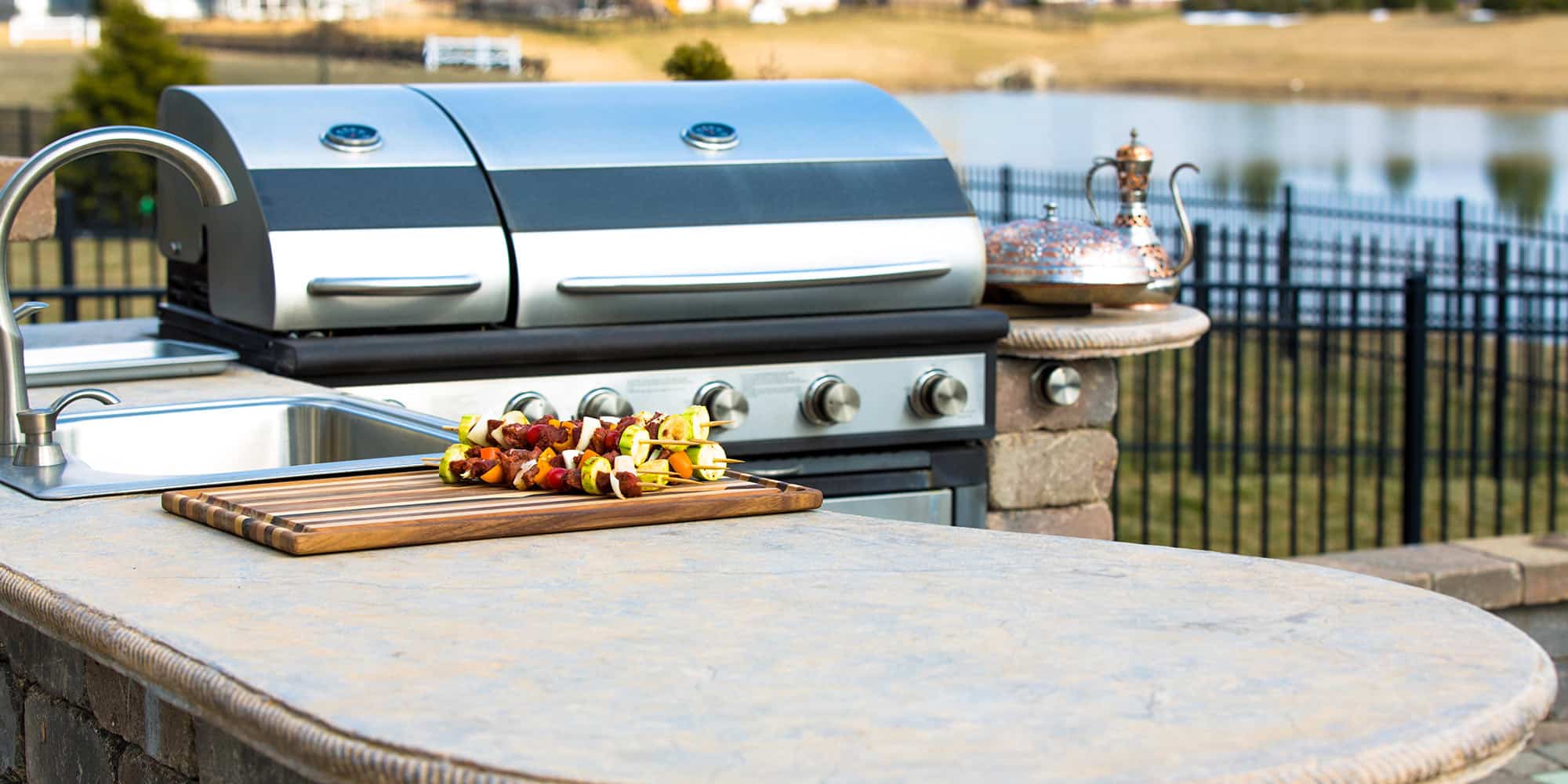
Outdoor dining has become one of the most popular ways for homeowners to enjoy their backyards. Whether you’re hosting summer barbecues, celebrating holidays with family, or simply enjoying a quiet meal under the stars, a thoughtfully designed dining area can transform your outdoor living space into a place where memories are made.
However, creating the perfect outdoor dining area involves much more than placing a table and chairs on a deck or patio. To truly maximize enjoyment, you need to balance comfort, functionality, and style. From choosing the right layout to incorporating lighting and weather protection, every detail contributes to the overall experience.
In this guide, we’ll explore how to create an outdoor dining space that is both beautiful and practical for Tennessee homeowners.
An outdoor dining area extends your home’s living space and offers countless benefits.
Whether your space is large or small, proper planning ensures it will serve your family well for years to come.
Location is one of the most important factors when designing an outdoor dining area.
Ideally, your dining area should be easily accessible from your home to simplify carrying food, drinks, and supplies.
A convenient location makes outdoor dining more enjoyable and encourages frequent use.
One common mistake homeowners make is underestimating how much room is needed.
Your outdoor dining area should comfortably accommodate:
| Table Size | Recommended Space |
|---|---|
| 4-person table | 10′ x 10′ |
| 6-person table | 12′ x 12′ |
| 8-person table | 14′ x 14′ |
Allowing sufficient room helps prevent the space from feeling crowded.
Outdoor furniture should provide both comfort and longevity.
Look for:
Quality furniture encourages longer meals and more enjoyable gatherings.
Tennessee summers can be hot, and sudden rain showers are common. Adding protection from the elements greatly increases the usability of your outdoor dining area.
Offer architectural beauty and partial shade.
Provide full protection from sun and rain.
Deliver weather protection while keeping insects away.
Flexible and budget-friendly.
Modern and stylish with excellent coverage.
Good lighting extends the life of your outdoor dining space well beyond sunset.
Create a warm and inviting atmosphere.
Perfect for covered patios or pergolas.
Provides clean, modern illumination.
Add rustic charm and ambiance.
Improves both safety and style.
Combine:
This creates a balanced and welcoming environment.
Having a dedicated place for food and beverages improves functionality.
Keeping food preparation and serving close to the dining area reduces trips inside and makes entertaining easier.
Many outdoor dining areas are paired with grilling stations or outdoor kitchens.
A well-designed layout creates a natural flow between cooking and dining.
Kitchen → Grill Area → Serving Station → Dining Table
This arrangement minimizes congestion and improves efficiency.
Small touches can make a huge difference in how often you use the space.
Ideal for covered patios and screen rooms.
Extend dining season into fall and winter.
Create warmth and ambiance.
Provide privacy and sun control.
Outdoor rugs and cushions add comfort and color.
These elements help create a restaurant-quality experience right in your backyard.
A dining area should feel inviting and reflect your personal style.
Clean lines and neutral tones.
Natural wood and stone accents.
Warm textures and traditional charm.
Light colors and relaxed vibes.
Choose a style that complements your home and outdoor surroundings.
Privacy can significantly improve the overall dining experience.
These features create a cozy environment and make guests feel more relaxed.
Your family’s needs may change over time.
Think ahead by planning for:
Designing with flexibility in mind allows your outdoor dining space to evolve with your lifestyle.
Creating a successful outdoor dining space requires thoughtful planning and attention to detail. By focusing on comfort, functionality, and style, you can design an area that encourages family meals, celebrations, and unforgettable evenings with friends.
Whether you’re working with a small deck or a spacious covered patio, the right layout, furniture, lighting, and weather protection can transform your backyard into one of your home’s most loved spaces.
Investing in a well-designed outdoor dining area is about more than aesthetics—it’s about creating a place where people naturally gather and where memories are made.
At American Services of TN, we specialize in designing and building custom outdoor living spaces that combine beauty, comfort, and functionality. From decks and patios to pergolas and screen rooms, we can help you create an outdoor dining area that perfectly fits your lifestyle.
📞 Fill out the form below to schedule your free consultation and start designing your dream outdoor space today!